1.25.2024

相国寺と承天閣美術館 Shokokuji and Shotenkaku Art Museum

伊藤若冲は錦市場の青物商の息子だったが、40歳ころに弟に家督を譲って早期退職、好きなときに好きなものを描くアマチュア画家となったそう。結婚もせず、遊びもせず、ただひたすらに絵を描く生活。(ただ、錦市場のいざこざがあったときは解決すべく奔走したという話もある。)そして相国寺の高僧、梅荘顕常(ばいしょうけんじょう)と人生を変える出会いをする。というのも、梅荘顕常は若冲の才能を見抜き、金閣寺の50枚に渡る襖絵の作成を依頼したから。また相国寺に出入りしていたことで、鎖国中の日本ではあまり見ることのできなかった所蔵の中国の絵画などを見ることができて、絵の手本とすることができたため。

仏教に深く帰依していた若冲。居士(こじ、在野にいる修行僧のこと)と名乗っていた。仏教の教えのひとつに、「山川草木 悉皆成仏」とあり、山河や植物など、心を持たないものも、仏性があるので、仏になりうる。という意味だそう。まさに、自然の万物を見つめて、微に入り細を穿って描いた若冲にぴったり。

全30幅に渡る「動植彩絵」は、原本が宮内庁に寄進されており(明治時代)、複製が展示してあった。本物ではなくて残念だけれど、これを寄贈したことで宮内庁から礼金がもらえて、そのお金で相国寺は、かつて境内であった土地を買い戻すことができ、巨大な面積を誇る大寺院になる。敷地内に法堂、方丈、その他いろいろな小さな寺がある。法堂には天井に大きな龍が!また龍を見れてラッキー。手を叩くと、その音が反射して返ってくる場所があり、そのため鳴き龍とも呼ばれる。龍はまさに天に登らんとすという感じで、力強い絵でした。

金閣寺の襖絵・障壁画は、本物が展示してあった。芭蕉が夜風に揺れる様を描いた大きな「月夜芭蕉図」、素晴らしかった。面白かったのは、植物がその時代どうとらえられていたか。芭蕉は、風にあおられる様子が哀愁を誘うので、一般家庭の庭には植えられず、寺院のみだった。「庭忌草」と呼ばれていた。一方で、もっとも格式の高い一ノ間の襖絵には葡萄が描かれている。葡萄は旺盛な繁殖力と蔓を伸ばす力、加えて実が多く房なりになるので、多産、豊穣の象徴として好まれたそう。植物によって、いろんな解釈の仕方がある…。芭蕉だって、生命力は強いし葉も丈も大きくなるので、十分豊穣の象徴と言えそうだけどな。

月曜日なのに人が多かったなー団体さんとか。さすが、若冲人気と、辰年1月、というべきか…。京都の四季、ほんとに面白い!! 

Jakuchu Ito was the son of a greengrocer in Nishiki Market and succeeded his father's business, but when he was around 40 years old, he gave it to his younger brother and retired early to become an amateur painter, painting whatever he wanted whenever he wanted.  He never married, never indulged in other leisure activities, but simply painted. (But it is also said that when there was a dispute in Nishiki Market, he worked hard to resolve it.)  Then, he had a life-changing encounter with Baishou Kenjo, a high priest of Shokokuji Temple.  He was the one who saw Jakuchu's talent and commissioned him to create 50 sliding door paintings for the Kinkakuji (golden) temple.  Also, because he had been frequently visiting Shokokuji Temple, he was able to see Chinese paintings in the temple's collection, which were rarely seen in Japan during the period of national isolation, and used them as models for his paintings.

Jakuchu was deeply devoted to Buddhism.  He called himself a koji (a monk in the ordinary/secular world).  One of the Buddhist teachings says "Mountains, rivers, plants, and trees could all become Buddhas", which means that even things that do not have a heart, such as mountains, rivers, and plants, have a Buddha-like nature and have a potential to become Buddhas.  This is exactly what Jakuchu, a painter who looked at all things in nature and painted with a meticulous attention to detail, would have wanted.

The original of the 30 paintings of the "animals and plants in vivid colors" series were donated to the Imperial Household Agency in the Meiji period (1868-1912). So, a reproduction of them were on display.  It is a pity that it is not the original, but the donation of these paintings earned the temple a reward from the Imperial Household Agency, which enabled Shokokuji to buy back the land that used to be within its precincts, and then it became a large temple once again with a huge area.  Within the premises are the lecture hall, Hojo with a garden, and various other smaller temples.  The lecture hall has a large dragon on the ceiling!  I was lucky to see the dragon second time this January.  There is a certain spot inside where you clap your hands, and the sound is reflected back to you; thus it is also called a "cry dragon.  The dragon was a gigantic powerful picture, as if it was trying to climb up to the sky.

The sliding door and wall paintings of Kinkakuji Temple were on display, the real thing. The large "Moonlit Basho" depicting a Basho (banana tree) swaying in the night wind was wonderful.  However, the basho was rarely planted in private gardens but only in temples, because its wind-swept appearance was thought to be melancholy.  In fact, it was called "garden abhorrence".  On the other hand, grapes are depicted on the sliding doors of the most prestigious room, the Ichinoma.  Grapes were favored as a symbol of fertility and abundance because of their vigorous reproductive capacity and ability to spread on the vine, as well as their abundant fruit that forms clusters.  There could be many ways of interpreting plants though.... Basho could also be a symbol of fertility because of its strong vigor and large leaves and height.  But anyway.

There were a lot of people there - groups and so on even though it was a Monday!  As one would expect from Jakuchu's popularity and the January of the Year of Dragon.... Kyoto's four seasons never cease to fascinate me!


方丈のお庭。


1.24.2024

Souvenir from Australia オーストラリアからのお土産

オーストラリアのお友達がTimTam をくれました! オーストラリアといえばこれ、というくらいの代表的なお菓子。チョコクッキーにさらにチョコクリームが挟まれていて甘い。

Health Star Rating の表示があって、0-5段階中、0.5だった…! そりゃそうだよね! 0点がないのは、食品会社への配慮か。オーストラリアのニュース記事によると、スーパーに並んでいる品のうち、3以上のまあまあ健康な食品が36%, 残りの64%は2以下のあまり健康的ではない食品だったそうで…、でもどうやら表示は強制ではないらしい。ということは2以下がもっと多いかもしれないな。ジャンクフードにはそもそも表示がされていない可能性があるので。ほほう。

一人で抱え込んで食べるとヤバいので、コワーキングスペースの皆さんにおすそ分け。分けられる人がいるっていいな☆


1.23.2024

Arashiyama bamboo forest! 嵐山の竹林

お庭ツアーのあとは、嵐電で嵐山へ。うどん・そばを食べて、竹林を見てきました。けっこう、駅から遠くまで続いている。奥へ行けば行くほど人が少なくなって、おすすめです!

After the garden tour, we took the Randen train to Arashiyama. We ate udon/soba noodles and visited a bamboo grove.  The bamboo grove extends quite far from the station.  The deeper you go, the fewer people there are, and I recommend it!


鍋焼きうどん!


1.22.2024

Ryoan ji temple 龍安寺

The second temple with a beautiful garden that we have visited on a cold cloudy day in January! 

Buit in around 1450s, Ryoan ji is a zen temple with a world-heritage stone-sand garden and a big pond that you can go around.  It is famous for autumn foliage, but it is still quiet and beautiful in other seasons. The stone-sand garden is said to have 15 stones, expressing the ocean, mountains, and clouds. (We could find only 14 stones, but anyway...)  It is a small temple sitting on a large piece of land. It is relaxing to walk around the pond, see some ducks in it and view the plants and the mountains in the background.  It is so nice to spend an afternoon like this.  There were dragon paintings on screen doors for public viewing for a limited time.  Perfect for the start of the year of dragon.  I'm lucky to live near a lot of beautiful temples and shrines like this in this city.

お庭ツアー第二弾、龍安寺に行きました。枯山水の庭が有名な禅寺。世界遺産となっているそうな。枯山水の庭には15個の石を配しているらしいけれど、14個しか見つけられなかった…。?? 公開している建物の部分はわりとこぢんまりしているけれど、池が大きくて綺麗。池を一周して、植物や鴨、アヒル?などを愛でるのはとても贅沢な時間。今年の干支、龍の襖絵も、期間限定で公開していました! 


1.21.2024

Touji in temple 等持院

With an old friend went to Touji in temple. It was founded by Ashikaga Takauji in 1341, the founder of the Muromachi period (regime) in Japan. This temple was Ashikaga clan temple, holding funerals for several Ahikaga  shoguns. In the beautiful garden is Takauji's tomb!   It's located in a tranquill neighborhood, hidden from tourists. Very few visitors were there, on a cold cloudy day in January.  It had a claming atmosphere where you just want to close your eyes and contemplate on life. Truly a hidden gem of historic importance. 

室町幕府を開いた足利尊氏によって建てられた、等持院。お庭好きのお友達と来訪して来ました。尊氏のお墓もある! 閑静な住宅地にひっそりと存在していて、本当の穴場。庭は広く、種々の植栽が面白い。静かで穏やかな雰囲気は、心を落ち着けるのにぴったり。歴史的にも重要な史跡です。


1.20.2024

鏡開き kagami biraki New year's mochi eating

鏡開きして、スタッフの方がぜんざいをつくってくれたのでいただきましたーー

料理上手になりたい…! 

鏡は、もちが丸いので銅鏡とかに似ている。鏡は高級品で、神秘的な力があると信じられていた。

切る、とか壊す、は縁起が悪いので、縁起が良い「開く」という表現にした。そうな。勉強になる。

We had a kagami-mochi (stacked round rice cake with a mandarin orange on top for the new year) displayed at the entrance of our co-working space.  It was displayed from the end of December and till January 15th. Then, we will eat the mochi to have good luck.  This eating kagami-mochi is called "Kagami-biraki", which literally means to "open a mirror".  Why is that? 

In the ancient times, mirror was a precious object that only highly ranked nobles were able to posess.  Due to the rarity and the unique characteristic of "mirroring" images, mirrors were believed to have divine power.  Kagami, or mirror, is a special object, and round shaped mochi was named after it.

Verbs like "to break" or "to cut" were avoided because it might bring bad luck; instead, breaking kagami-mochi was described as "to open" it.  The verb open is associated with better luck, indicating wide possibilities and future prosperity.  So interesting!!


1.19.2024

みんなで初詣〜〜 New Year's visit to a dragon shrine!

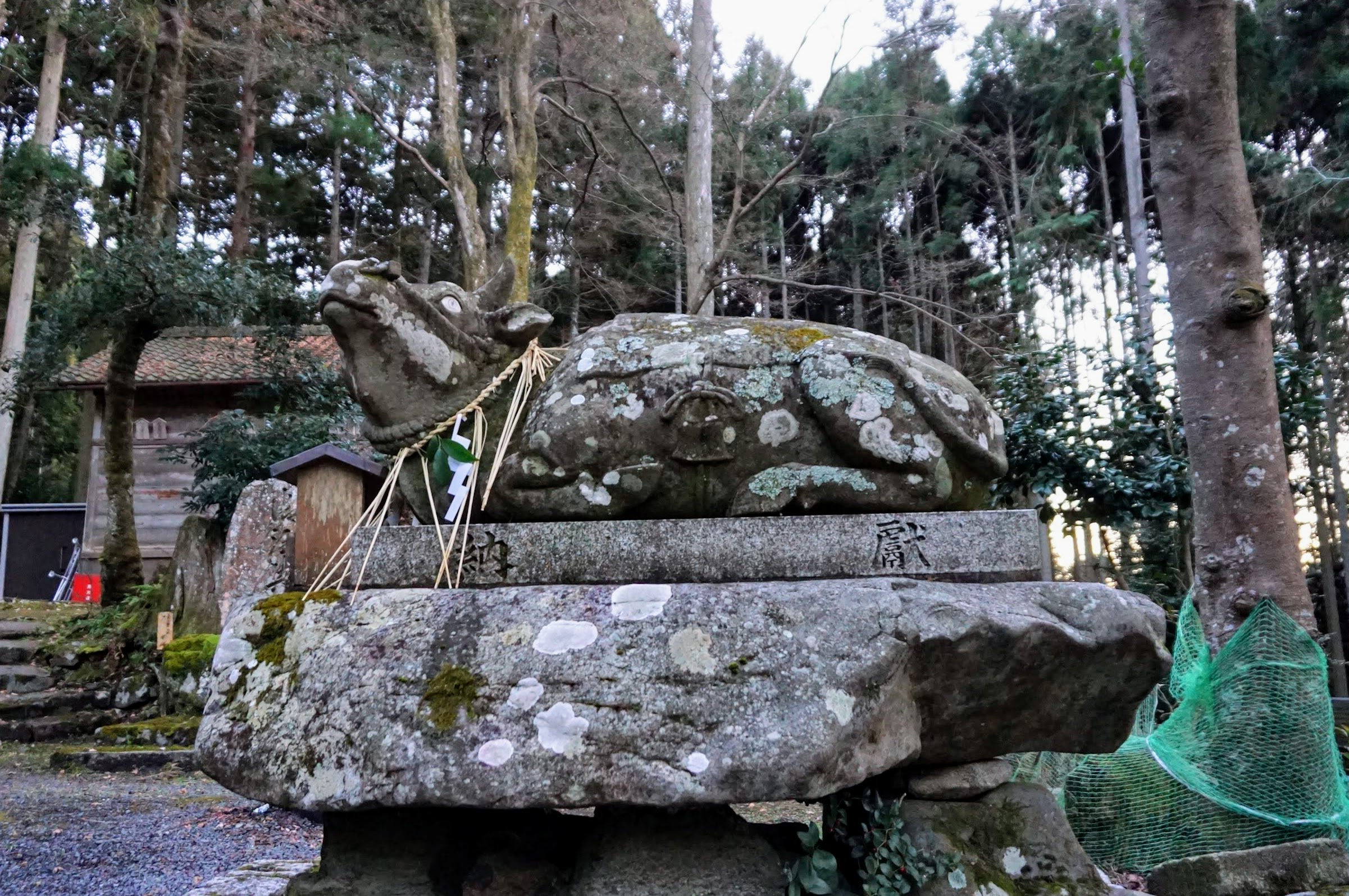
有志6人で、初詣に行きました☆ 大人の遠足。車出してくれた方ありがとう…! バスがあまり通っていない、車で行く甲斐のある、九頭竜神社へ! 辰年なので、うってつけです。そのあと、猫猫寺をひやかして、八瀬(やせ)天満宮にも。だーれもいなくて、静かなところでした。車中では話に花が咲き、夜は韓国焼肉を堪能!しました!! 深い話もできて、幸せ〜

Went to Hatsumode (New Year's visit to a shrine) with six of my 'co-workers'!  So called an excursion for adults.  Big thanks to the person who drove us around!  We went to Kuzuryu Shrine, which is not well served by buses and worth the drive!  Our visit is a perfect timing because it's the year of the dragon.  After that, we went to Nekonekoji Temple and Yase Tenmangu Shrine as well.  The area was quiet with mountains behind, with no one around.  In the car, we had a great time talking and enjoyed Korean barbeque at night!  We had deep conversations over dinner.  It is fortunate that I have coworkers whom I can engage in this kind of activities with.  So thankful.